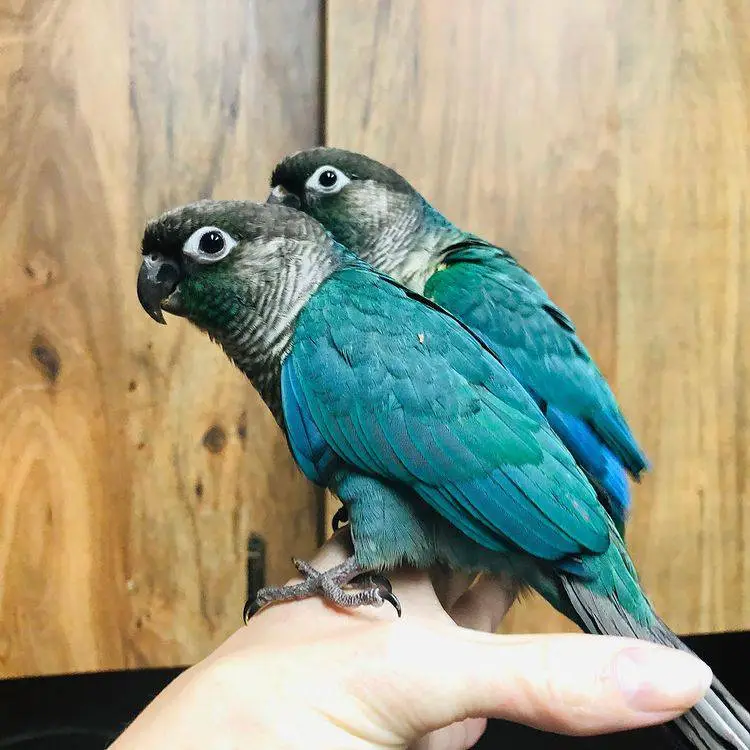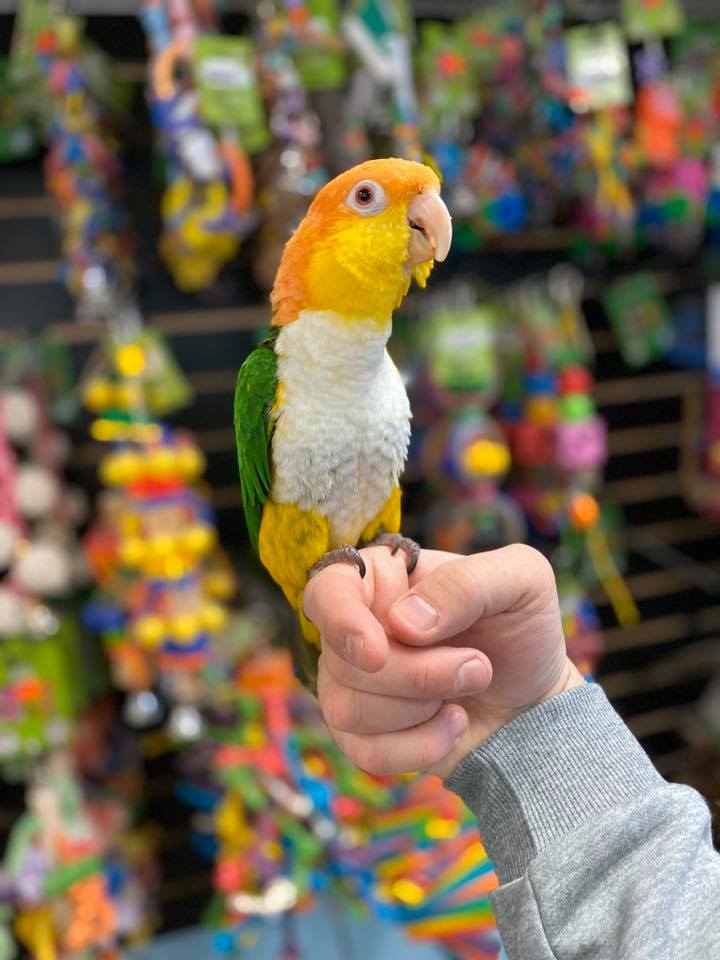
Parakeets — also known as budgies or budgerigars — are small, colorful, and friendly birds that make ideal pets, especially for first-time bird owners. As the smallest members of the parrot family, their name literally means “long tail,” and they’re easily recognized by their slender build and vibrant feathers.
These cheerful birds are known for their bright personalities, soft chirping, and playful nature. Some even learn to mimic words and short phrases, making them even more fun to interact with.
Parakeets come in a wide range of beautiful colors, including:
Pastel blues
Bright yellows
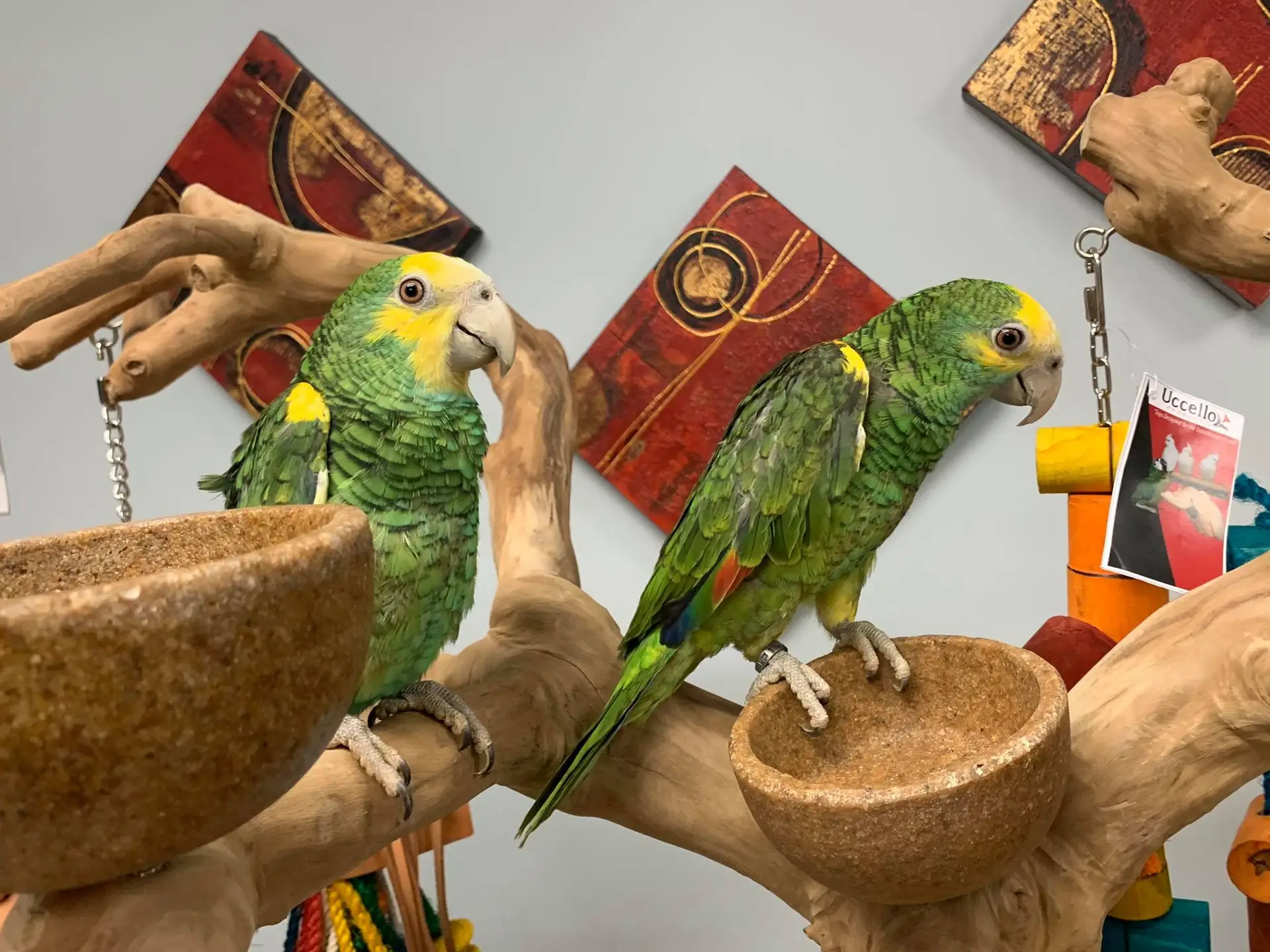
Dark greens
Pure whites
Violets
…and many other stunning color combinations.
Some well-known parakeet species include:
Quaker Parakeet
Indian Ringneck
Alexandrine Parakeet
Moustached Parakeet
Parakeets are native to various parts of the world. In Australia, they’re often seen living in grassy open areas. First introduced to England in the 1840s (and even earlier to Japan), parakeets quickly became one of the most loved pet birds across Europe and the Americas.
If you want a small bird with a big personality, a parakeet is a wonderful choice. They adapt well to apartments, senior homes, or any place that allows small pets and regular interaction.
Parakeets are highly social birds. In the wild, they live in flocks, so at home, they thrive on attention — either from you or another bird companion.
Training Tip: If you want a parakeet that bonds closely with humans and possibly learns to talk, it’s best to start with just one bird.
Talking Ability: Parakeets are great mimics. With consistent exposure to words, songs, or sounds, they may learn to repeat them. Tools like digital voice recorders or just regular talking from you can help in training.
Note: Not all parakeets will talk — it depends on the individual bird.
Your parakeet’s cage should be at least 18” x 18” x 18”. The larger the cage, the better.
Cage Tips:
Ensure at least two sides have horizontal bars for climbing.
Bar spacing must not exceed ½ inch to prevent injuries.
Provide a variety of perches and toys to keep your bird active and mentally stimulated.
A well-balanced diet keeps your parakeet healthy and happy.
Recommended foods include:
Quality bird pellets
Fresh or boiled vegetables
Fruits (in moderation)
Nuts, cooked grains, and occasional pieces of cooked chicken or turkey
Avoid feeding:
Avocado
Cabbage
Parsley
Iceberg lettuce
These can be toxic or unhealthy for parakeets.
Tips:
Provide fresh water daily
Rotate food to avoid boredom
Consider vitamin supplements (added to water or sprinkled on food)
Use a mix of small parrot seed blends along with other fresh foods for variety
Parakeets are affectionate, easy to care for, and full of life. With the right care, attention, and environment, they can thrive and bring joy to your home for years. Whether you’re looking for a playful companion or a talking feathered friend, parakeets are a delightful addition to any household.