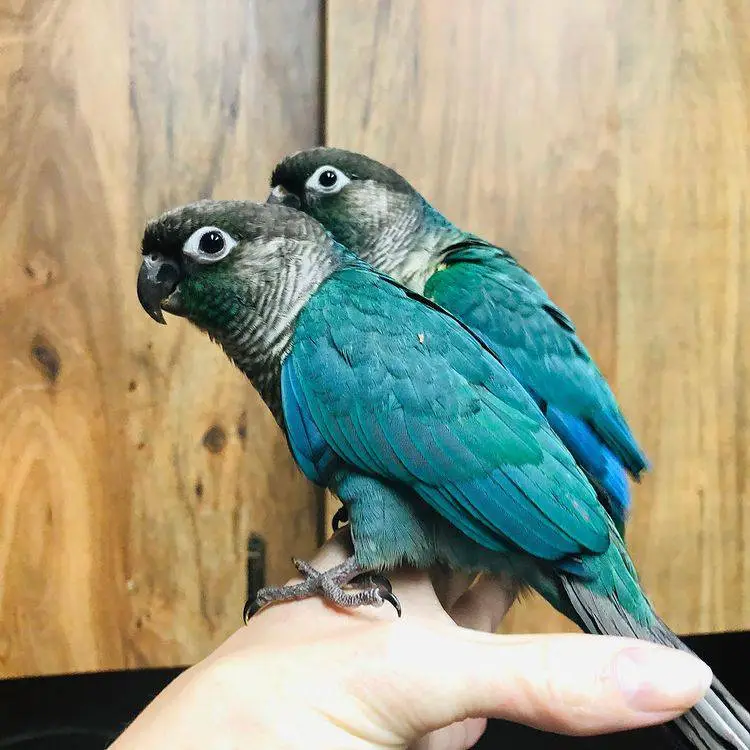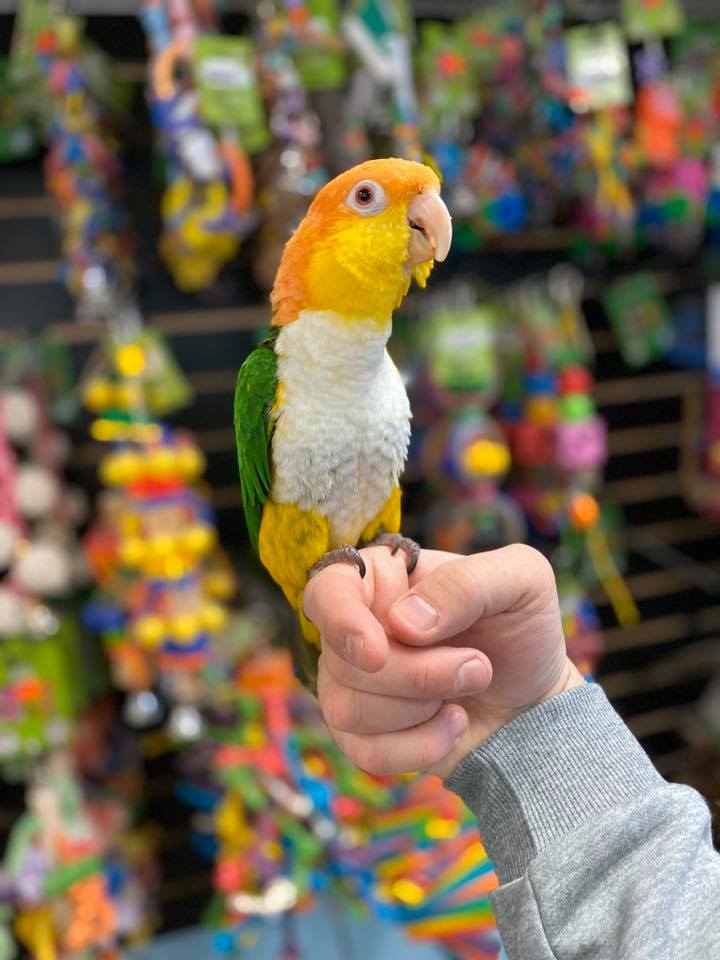
Macaws are among the most vibrant and majestic members of the parrot family — often called “winged rainbows” thanks to their dazzling colors and long, elegant tails. Known for their large, strong beaks and wide wingspans, macaws are intelligent, curious, and deeply engaging birds that make a loyal yet demanding companion.
Size: 20 to 42 inches
Lifespan: 30 to 80 years
Macaws are known for:
Bright, multicolored feathers
Bare facial patches, sometimes limited to small yellow areas around the eyes or near the beak (e.g., in Hyacinth Macaws)
Large, dark beaks and long tails
Fun Fact: A macaw’s facial feather patterns are as unique as human fingerprints!
Macaws are:
Playful and energetic
Highly affectionate with the right social bonding
Very loud (they naturally use loud calls to communicate over long distances in the wild)
Extremely intelligent — they need regular mental stimulation and attention
Because of their size and energy, macaws require a lot of space, time, and commitment. Without proper care and enrichment, they may develop behavioral issues such as screaming or feather-plucking.
To keep your macaw entertained:
Offer wooden toys or untreated wood blocks for chewing
Include puzzle toys or foraging toys with hidden treats
Provide climbing toys or swings (as long as they are safe and sturdy)
Rotate toys regularly to keep things interesting.
We hand-raise and tame multiple macaw species, each with its unique personality. Available breeds include:
Blue and Gold Macaw
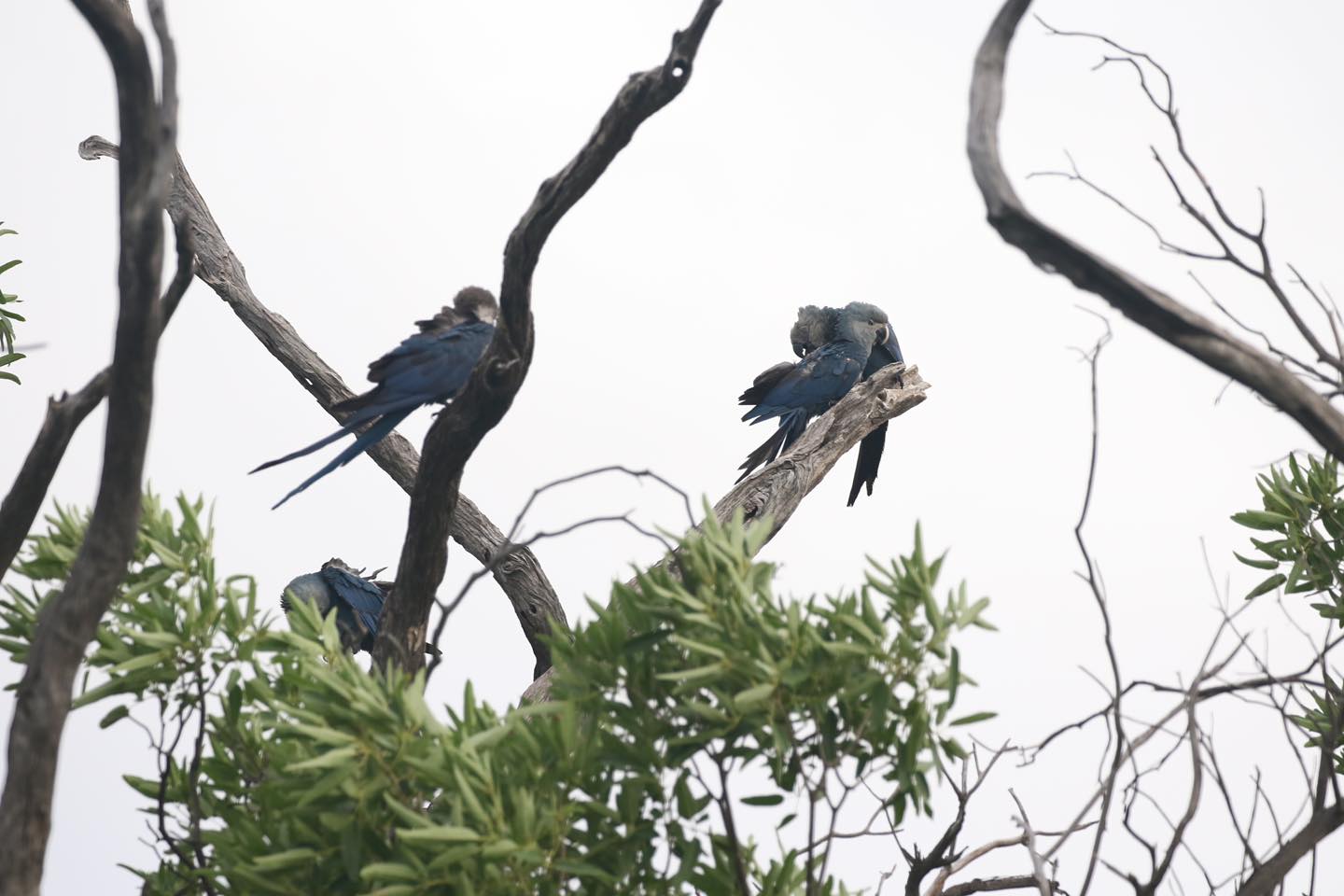
Hyacinth Macaw
Green Wing Macaw
Blue Throat Macaw
Hahns Macaw
Red Front Macaw
Severe Macaw
Illiger’s Macaw
Military Macaw
Catalina Macaw
Yellow Collared Macaw
Noble Macaw
Every macaw is hand-raised in our breeding program, ensuring a social and healthy bird.
Macaws are native to the rainforests of Central and South America. Their colorful feathers help them blend into the rich canopy of leaves, fruits, and flowers.
Macaws need strong, spacious cages due to their size and powerful beaks.
For smaller macaws: Minimum size 24″ W x 24″ H x 18″ D
For larger macaws: Minimum 5 ft W x 6 ft H x 3 ft D
Bar spacing: Less than 4 inches
Wire strength: At least 3 mm thick
Recommended cage shape: Rectangular or square for safety and comfort
Material: Stainless steel is ideal for durability
Macaws also require out-of-cage time daily and a play stand for climbing and interaction.
In the wild, macaws eat fruits, nuts, seeds, berries, and leafy greens. In captivity, a balanced diet is essential for their health:
Daily feeding tips:
Provide a mix of pellets, fruits, vegetables, and some healthy seeds
Some species, like the Hyacinth Macaw, need higher fat content
Keep food and water dishes clean and full of fresh food daily
Avoid toxic foods: avocado, alcohol, chocolate, and anything processed
We wean our baby macaws onto:
A variety of fresh produce
Our own custom soak-and-sprout mix
A healthy seed blend and natural pellets
All our baby macaws are hand-fed, weaned, and socialized to prepare them for a happy life with their new families.
📲 If you’re interested in adopting or learning more, contact us for photos, videos, or additional information.